Survive Ocean Dangers in Ship The Cargo
Keep cargo afloat when weather, waves, and threats turn a delivery into a survival problem.
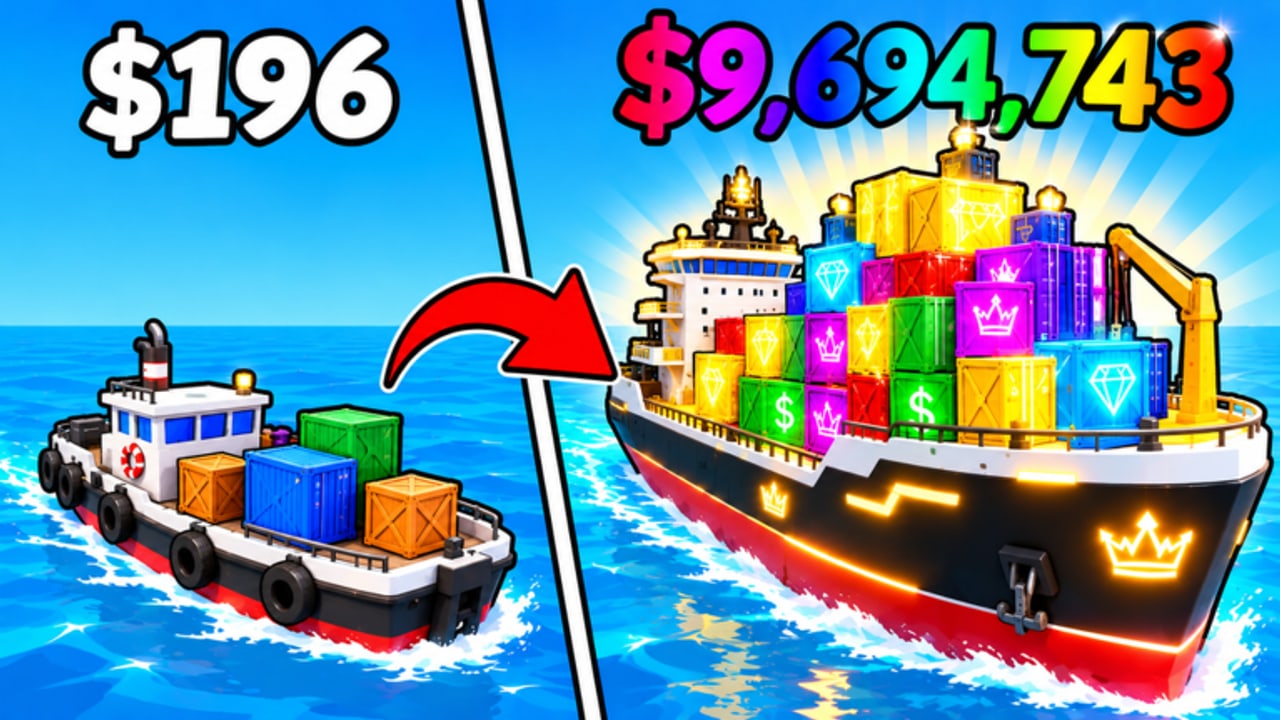
Ship The Cargo sells a clear fantasy: the ocean is not a safe highway. Weather, waves, hostile forces, and other live hazards exist to pressure your hold of freight. This guide teaches a survival priority stack you can use even as specific threat lists change between patches. Always verify the current in-game warnings, tooltips, and update notes — this page teaches judgment, not a frozen bestiary.
Pair these habits with the operational steps in how to deliver cargo and the spending plan in boat upgrades. Survival without a delivery plan wastes time; deliveries without survival sense waste money.
Survival priorities (memorize this order)
When something goes wrong at sea, decide in this order:
- Keep the boat controllable. If you cannot steer or see, nothing else matters.
- Protect the cargo. Unbanked freight is the real wallet on board.
- Reduce incoming damage. Angle away, slow into waves, break line of sight, or flee.
- Reassess the contract. Finish, divert, or abort.
- Repair mindset after you are safe. Do not daydream about upgrades mid-collision.
Players who invert that list — fighting first, cargo last — donate profit to the ocean.
Weather and wave framing
Treat rough seas as a handling exam:
- Lower throttle when crests start throwing the bow off line.
- Avoid sharp turns that present a weak side to big waves.
- Recheck cargo seating after heavy rolling.
- Give other players wider berth; chaos multiplies in storms on full servers.
Weather is also an economy signal. If the sky turns hostile just as you leave on a long job, consider delaying for a short local run instead. The money guide explains why profit per minute beats stubbornness.
Because exact storm rules can be tuned over time, watch what the live experience telegraphs — darker horizons, stronger swell, UI warnings — and respond early rather than after the first crate is already gone.
Pirates, creatures, and “beware danger” encounters
The game’s tone promises threats beyond weather. Whether you meet hostile ships, sea creatures, or other scripted dangers in a given update, use the same playbook:
- Spot early with calm camera sweeps (see controls).
- Decide fight, flight, or ignore based on boat readiness, not pride.
- Never tunnel-vision so hard that you hit rocks or allies while “winning.”
- Break contact if cargo is more valuable than the scrap you might earn from a messy fight.
Beginners should default to avoidance. Mid-game captains with better durability can choose limited engagements. Late-game builds may specialize — but specialization still needs an abort rule.
Honest caveat: patch notes and in-game threat lists can add, remove, or retune encounters. Before a serious money session after an update, skim the updates hub and test one short route before staking a full hold on a long crossing.
When to abort a run
Aborting is a skill. Leave the route when any of these are true:
- Hull damage is climbing faster than you can mitigate.
- Cargo is already partially lost and the remaining payout no longer justifies the risk.
- Visibility or controls collapse (storm + camera panic + traffic).
- You are low on real-world time and a disconnect would be worse than turning in early.
- Teammates on a co-op boat disagree and coordination has failed.
Abort paths include returning to a nearer dock, ditching the contract consciously, or prioritizing boat survival over freight. A living boat with partial funds still buys upgrades; a sunk ego trip buys a lecture from chat.
Repair mindset between threats
After you reach safety:
- Stop and breathe — do not instantly re-queue the same cursed route.
- Repair or restore boat readiness according to available in-game options.
- Replace or secure remaining cargo procedures before casting off again.
- Spend on durability or handling if the same failure mode keeps repeating.
- Only then choose the next job difficulty.
Repairs are part of the money loop, not an interruption of it. Skipping recovery to “make up” losses is how bad sessions snowball.
Co-op survival on 12-player servers
Multiplayer changes the danger math:
- Extra eyes catch weather lines and threats sooner.
- Extra hulls can also mean dock congestion and friendly collisions.
- Agree who steers during emergencies so two people do not fight the wheel.
- Share simple calls: “abort,” “slow,” “threat left,” “dock now.”
If random strangers create more risk than help, switch to a quieter server for learning. Co-op shines with friends who already finished getting started.
Build choices that buy second chances
Survival is partially mechanical skill and partially build craft:
- Durability / defense upgrades lengthen the mistake window.
- Handling upgrades make wave and dodge responses cleaner.
- Speed upgrades help disengage — but only if you can still steer at that speed.
- Capacity upgrades raise stakes; bigger holds deserve better survival budgets.
Compare options on the upgrades tier list and boats tier list after you know which failure mode you actually hit: waves, collisions, or hostile pressure.
Pre-departure danger checklist
- Boat is not already limping.
- Route length matches current readiness.
- Camera and throttle feel comfortable on your device.
- You have an abort condition stated (even silently).
- You checked recent updates if you just patched.
- Cargo is secured and the sell dock is understood.
Do this every time and “beware danger” becomes a manageable tax instead of a random wipe mechanic. The ocean in Ship The Cargo is supposed to feel threatening — your job is to keep that threat priced into every delivery, then cash the runs you are allowed to finish.
Frequently Asked Questions
Quick answers to the most common questions.
What should I protect first during an ocean emergency?
Keep the boat controllable, then protect cargo, then reduce incoming damage. Only after those priorities should you decide whether to finish, divert, or abort the contract.
Are the exact hazards the same after every update?
Not necessarily. Weather, waves, pirates, creatures, and other threats can be retuned. Use this survival framework, then confirm the current in-game threat list and update notes before high-stakes routes.
When is aborting the correct play?
Abort when damage rises too fast, cargo losses erase the payout, visibility collapses, you are out of real-world time, or co-op coordination fails. A living boat preserves future profit.
Which upgrades help most against ocean dangers?
Durability and handling usually buy the most second chances. Speed helps you disengage if you can still steer. Raise capacity only when you can protect the larger hold.
Does co-op make survival easier?
It can — extra lookouts and shared loading help — but crowded 12-player docks and mixed skill levels can also create collisions. Clear emergency roles matter more than player count.
How do dangers connect to making money?
Every lost crate is unbanked income. Safer route choices and timely survival upgrades often raise profit per hour more than greedier contracts that sink.