How to Make Money in Ship The Cargo
Turn cargo runs into reliable profit with route choices, upgrade timing, and risk control.
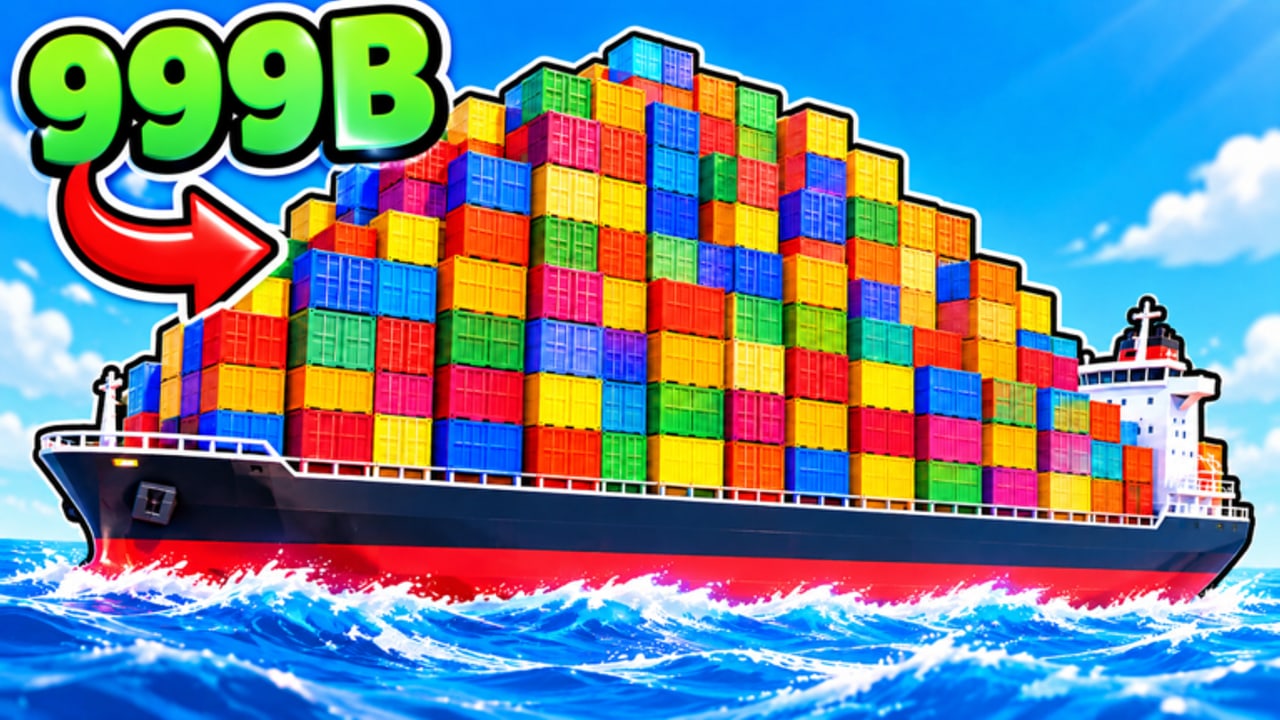
Making money in Ship The Cargo is simple to describe and easy to mess up: deliver cargo, sell it, and spend wisely. The captains who grow fastest treat profit as a system — route selection, risk tolerance, upgrade order, and session goals working together — not as a scramble for the single biggest contract on the board.
This guide assumes you already know the basic loop from getting started and how to deliver cargo. Here we focus on earning rate, when to take danger for a bigger payout, and how to convert coins into a boat that earns even more.
Think in profit per minute, not bragging payouts
A huge long-haul reward looks exciting. A chain of medium jobs that you finish every time often funds upgrades sooner. Measure success by:
- Completed sales per session, not contracts accepted.
- Cargo preserved, because lost freight is negative progress.
- Time lost to repairs, respawns, or aborted chaos.
- Upgrade breakpoints unlocked, which raise future earning power.
If a route pays slightly more but doubles your failure rate, it is usually a bad trade until your vessel is stronger. Survival habits from survive ocean dangers are money habits in disguise.
Short routes versus long routes
Short routes shine when you are learning, testing a new upgrade, or playing on a chaotic full server. Benefits include faster docking practice, lower exposure to weather and threats, and steadier cash flow. Use short loops to fund the next meaningful upgrade without gambling the treasury.
Long routes can be worth it when:
- Your speed and handling make the travel time acceptable.
- Capacity is high enough that the payout justifies the risk window.
- Durability or defense can absorb a bad stretch without total loss.
- You have a clear abort plan and enough session time to finish.
A practical pattern: run short jobs to stabilize income, then attempt one longer contract as a “boss run” for the session. If it succeeds, bank and upgrade. If it fails, you still have short-loop money in reserve.
When to upgrade capacity, speed, or defense
Spending is where most profit strategies collapse. Buy what removes your current bottleneck.
- Speed helps when you already complete jobs but waste minutes crossing empty water. Faster cycles raise profit per hour.
- Capacity helps when docks and navigation feel comfortable, yet each sale feels too small. Bigger holds amplify successful routes.
- Durability / defense helps when hazards keep deleting cargo or forcing expensive repairs. Survival spending protects the earning engine.
- Handling helps when docking mistakes or clumsy turns cause scrapes, lost time, or dropped freight near piers.
Early game, a mix of handling plus modest speed usually beats maxing capacity alone. Mid game, capacity and durability often leapfrog once you can finish routes consistently. Late game, specialize toward the routes you actually enjoy — sprint trader, heavy hauler, or tough survivor — and validate choices against the upgrades tier list and boats tier list.
For the full priority philosophy, read boat upgrades.
Respect the risk of losing cargo
Every crate at sea is unbanked money. Hazards — weather, waves, hostile encounters, or other surprises the live game presents — exist to tax greedy routes. Price that tax into your decisions:
- Do not depart damaged “just to squeeze one more job.”
- Do not overload your comfort zone because a contract number looks shiny.
- Do not ignore codes and free rewards that can cushion early upgrades; check the codes hub.
- Do not treat aborting as failure. Aborting is portfolio management.
If you lose cargo often on a certain path, either upgrade survival first or switch to safer loops until the boat catches up. Ego routes are a hidden fee.
Session goals that actually scale income
Walk into each play session with one primary goal:
- Foundation session: complete a set number of clean short deliveries; spend on handling or speed.
- Capacity session: finish reliable mid-length jobs; unlock the next cargo-size breakpoint.
- Survival session: intentionally practice threat response and repair discipline on moderate routes.
- Push session: attempt a longer haul only after the boat is patched and you have a cash buffer.
- Co-op session: coordinate with friends on a 12-player server to speed loading and share lookout duty.
Write the goal in chat to yourself if needed. Random play still earns something; intentional play earns upgrades that change the game’s pace.
Co-op money tips
Multiplayer can raise or lower income depending on discipline:
- Assign roles: one steers, one loads, one watches threats when possible.
- Agree on route risk before leaving the pier.
- Avoid stacking three high-risk ideas at once (new boat, long route, stormy timing).
- Share docking patience — collisions near sell points erase teamwork value.
Solo players should lean harder on route conservatism and upgrade clarity. Co-op players can take slightly more ambitious jobs if communication stays tight.
A simple money plan for your next hour
- Claim any active rewards from codes.
- Run two short deliveries to warm up docking and confirm boat health.
- Spend on the single upgrade that fixes your biggest bottleneck.
- Run a mid route that matches that new strength.
- If stable, attempt one longer job with an abort rule.
- End by banking currency toward the next planned purchase from boat upgrades or the tier list hub.
Profit in Ship The Cargo favors captains who finish runs, protect cargo, and buy upgrades that multiply the next hour — not the captains who chase one legendary contract and sink on the way home. Keep the loop boringly successful, and the big boats arrive on schedule.
Frequently Asked Questions
Quick answers to the most common questions.
What is the fastest way to make money early?
Stack short, reliable cargo deliveries you can finish without losing freight. Convert that steady cash into handling and speed upgrades before gambling on long high-risk routes.
When should I take longer cargo routes?
Take longer routes after your boat has enough speed, capacity, and durability to keep failure rates low — and only when you have time plus an abort plan if threats spike.
Should I save for a new boat or upgrade the current one?
Upgrade the current boat until a clear bottleneck remains unfixable, then compare options on the boats and upgrades tier lists. A patched starter that finishes jobs often beats an unupgraded expensive hull.
How do ocean dangers affect profit?
Hazards can destroy cargo or force repairs, wiping the payout you hoped to earn. Factor risk into route choice and spend on durability when losses become common.
Do codes help with making money?
Active codes can grant free rewards that accelerate early upgrades. Check the Codes hub regularly and redeem before major spending decisions.
Is co-op better for farming cash?
Co-op can speed loading and improve threat awareness on up to 12-player servers, but only if the crew agrees on route risk and docks carefully. Poor coordination costs more than it earns.