Co-op Crew Playbook for Ship The Cargo
Assign roles, call clearly, share docks, and decide when to sail solo versus with a crew.
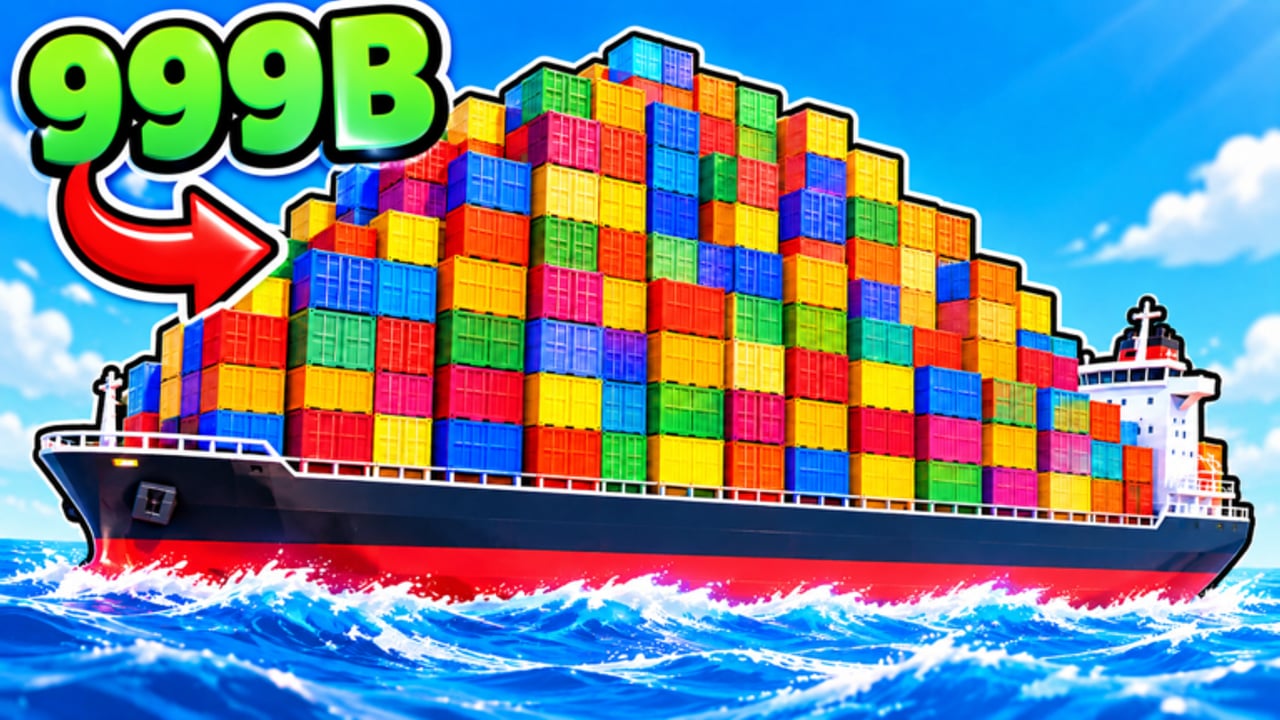
Ship The Cargo is a free Roblox Simulation / Tycoon by Big Boat Small Boat. You deliver cargo across the ocean, survive sea hazards, sell for profit, and upgrade boats on servers that hold up to 12 players. Desktop, Console, Mobile, and Tablet all share the same waters. The Players Hub explains server size, etiquette basics, and a healthy competitive mindset. This guide goes further: it is an actionable crew playbook you can run with friends or polite strangers after you understand the core loop from Getting Started.
Co-op does not invent a new genre. It multiplies the same delivery and survival skills. If your group still loses money on short runs, fix the solo fundamentals in How to Deliver Cargo and Survive Ocean Dangers before chasing high-stakes group voyages.
Why crews win (and why they fail)
A good crew raises coins-per-hour because labor splits across eyes and hands:
- One person keeps the boat on a clean line.
- Another watches weather, traffic, and threats.
- Someone tracks what is loaded and when to sell.
- Someone else decides the next upgrade so the session has a money goal.
Crews fail when everyone steers at once, nobody clears the dock, chat turns into essays mid-storm, or the least experienced captain is forced into a long ocean contract. Match job difficulty to the weakest boat and the newest player. Pride is expensive on a shared deck.
Role playbooks (invented specialties that work)
Ship The Cargo does not lock formal classes. Friends still benefit from named jobs so decisions are fast.
Helm
Owns: throttle, heading, approach angles, abort calls when the boat is no longer controllable.
Playbook:
- Confirm destination before cast-off.
- Keep speed you can still correct from — especially near piers and in traffic.
- Square the bow early on approach; never “thread” a crowded berth at full power.
- Say abort out loud when damage or chaos outpaces recovery; the helm’s call overrides greed.
Helm should skim Controls once per platform in the party so Desktop keyboard habits are not assumed on Mobile or Console.
Cargo lead
Owns: job choice within the group’s comfort, load order, deck balance, sell completion.
Playbook:
- Accept only contracts the current boat can finish even if one hazard hits.
- Load for balance and sightlines; stop the rush that leaves crates half-secured.
- Call loaded only when every required unit is actually aboard.
- At the destination, confirm the sale posts before anyone starts the next long chat plan.
Cargo lead pairs naturally with the step-by-step flow in How to Deliver Cargo.
Lookout
Owns: horizon sweeps, traffic calls, early hazard warnings, “hold pattern” when docks are jammed.
Playbook:
- Sweep left / right / aft on a calm rhythm instead of tunnel-visioning the bow.
- Prefer short calls: threat left, slow, dock busy.
- Watch friendly collisions as hard as enemy threats — other captains on a 12-player server are moving obstacles.
- If visibility collapses, tell helm to cut speed before anyone debates the contract.
Lookout habits amplify everything in Survive Ocean Dangers.
Economy lead
Owns: session money goal, when to bank, which upgrade to buy next, when to stop tilting.
Playbook:
- State one goal at session start (“engine handling,” “capacity,” “durability”).
- After each sell, decide: short safe loop, stretch route, or shop.
- Block panic spends after a sink — repair readiness first, then buy what fixes the failure mode.
- Use How to Make Money, Boat Upgrades, and the Tier List Hub so arguments stay data-backed.
Rotate roles across nights so nobody is permanently “just lookout” and everyone learns the full loop.
Chat call sheet (keep it short)
Mid-ocean essays get people sunk. Agree on a tiny vocabulary before the first group job:
| Call | Meaning |
|---|---|
| Loading | Stay clear; berth in use |
| Loaded / casting off | Leaving the pier |
| Slow | Cut throttle now |
| Threat left / right | Hazard or traffic that side |
| Dock busy — holding | Circle or wait; do not ram |
| Sell now | Finish the turn-in; do not pick another crate yet |
| Abort | End the risk; prioritize boat and remaining cargo |
| Saving for X | Economy lead locked the next purchase |
Voice chat helps if everyone can use it, but typed calls still work when Mobile players cannot join a party. The rule is the same: short, actionable, no sarcasm during emergencies.
Dock etiquette playbook
Shared piers are where co-op reputation is made. On busy servers:
- Finish and clear. Load or unload, then move off the prime berth.
- One boat, one lane. Do not park three friends abreast on a narrow approach.
- Call intent so strangers know you are loading, waiting, or selling.
- No grief ramming. “Jokes” that dump someone else’s hold destroy trust and can invite reports.
- Queue mentally. If two captains arrive, the one already squared up finishes first.
- Teach, do not hijack. Point new players to Getting Started instead of grabbing their wheel without consent.
These norms sit on top of the broader culture notes in the Players Hub. Crews that ignore docks become the reason quieter captains hop servers.
Solo versus duo versus small crew
| Setup | Use it when | Avoid it when |
|---|---|---|
| Solo | Learning inputs, testing upgrade ROI, quiet practice | You already know the loop and keep dying to missed hazards |
| Duo | One helm + one lookout/cargo split; voice or tight chat | Both players are brand-new and arguing about long routes |
| 3–4 crew | Friends can fill helm, cargo, lookout, economy without idle chaos | Half the party AFK on the deck creating collision mass |
| Fuller social server | You want traffic awareness and tips from strangers | You need a calm tutorial hour |
Solo first if anyone in the friend group still struggles with throttle or docking. Duo is the sweet spot for most profit nights: low coordination cost, real second pair of eyes. Larger crews need a named helm and a hard abort rule or they become a floating committee.
Platform mix patience
Ship The Cargo supports Desktop, Console, Mobile, and Tablet in the same instances. Mixed parties succeed when they budget extra seconds:
- Mobile and tablet players often need a beat to re-aim the camera before a precise dock line.
- Console players may bind differently; do not assume keyboard hotkeys in chat instructions.
- Desktop players should not narrate “just click” — say the action (“interact cargo,” “cut throttle”) so every platform can map it.
- If one platform is learning, run short coastal loops until that player’s docking looks clean.
Patience is free profit. Rushing a Mobile teammate into a storm crossing is how friendly crews invent drama.
Pre-voyage crew checklist
Run this out loud before casting off:
- Who is helm, cargo lead, lookout, economy tonight?
- What is the job length relative to the weakest boat?
- What is the abort condition (damage spike, lost crates, dock chaos, real-life time)?
- Which chat calls are we using?
- Did everyone skim Getting Started if they are new?
- After sell, are we stacking a short run or shopping per economy lead?
If you cannot answer those six lines, you are not ready for a long ocean contract together.
Mid-run recovery script
When something goes wrong:
- Lookout calls the threat or traffic.
- Helm owns throttle and heading — one driver only.
- Cargo lead reports whether the remaining payout is still worth it.
- Economy lead stays quiet until safe, then decides repair versus shop.
- If coordination collapses, abort and regroup at a dock instead of arguing at sea.
This script keeps co-op from turning a salvageable scrape into a full wipe.
After the session
Debrief in one minute, not one hour:
- What call was missing?
- Which dock mistake cost time?
- Which upgrade actually fixed tonight’s failure mode?
- Who rotates into helm next time?
Check Updates and Codes if a patch or gift might change tomorrow’s plan, and keep official destinations bookmarked on the Links Hub. The experience released 2026-10-07; crowds and incentives can shift after later patches, but role clarity and dock manners stay evergreen.
Sail with assigned jobs, short calls, and patience for every platform on the server. A disciplined crew turns a 12-player ocean into shared income instead of shared chaos — and that is the whole point of co-op in Ship The Cargo.
Frequently Asked Questions
Quick answers to the most common questions.
What roles should a Ship The Cargo crew assign?
Name a helm (steering and abort), cargo lead (jobs, load, sell), lookout (traffic and hazards), and economy lead (session spending). Rotate so everyone still learns the full loop.
When should we play solo instead of co-op?
Solo while learning controls, docking, and upgrade ROI. Switch to duo or a small crew once short deliveries are reliable and you can keep chat calls short under pressure.
What chat calls matter most mid-voyage?
Use short calls: loading, loaded, slow, threat left/right, dock busy, sell now, abort, and saving for a named upgrade. Skip long essays during storms or crowded approaches.
How do we handle mixed Desktop, Console, Mobile, and Tablet parties?
Budget extra seconds for camera and docking on touch and controller. Describe actions, not keyboard-only clicks, and keep early group jobs on short coastal loops.
What is the most important dock etiquette rule?
Finish loading or selling, then clear the berth. Call your intent, leave approach lanes open, and never grief-ram other captains for laughs.
Where should new crewmates read before a high-value group run?
Send them to Getting Started, How to Deliver Cargo, Survive Ocean Dangers, and the Players Hub for server etiquette before staking a long ocean contract together.