Common Mistakes in Ship The Cargo
Stop the habits that sink cargo, waste coins, and turn busy docks into chaos.
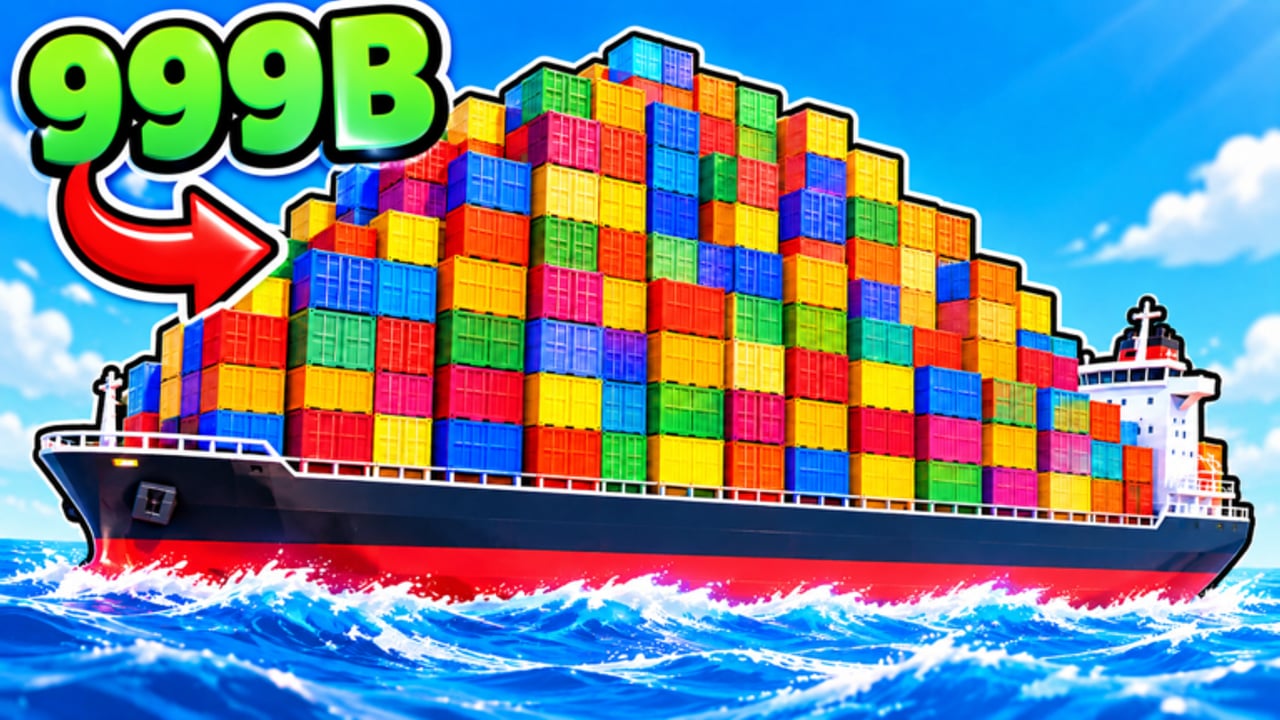
Most captains do not fail Ship The Cargo because the ocean is “unfair.” They fail because a few expensive habits stack on every voyage: routes that outrun the boat, cargo that was never seated well, upgrades bought on impulse, docks treated like freeways, and damage ignored until the hold is already empty. This guide names those mistakes, shows how to recover when you just made one, and points you to the deeper tutorials that fix the root skill.
Ship The Cargo is a free Roblox Simulation / Tycoon by Big Boat Small Boat (released 2026-10-07). You deliver cargo, survive sea hazards, sell for profit, and upgrade your boat on servers of up to 12 players across Desktop, Console, Mobile, and Tablet. Use this page as a troubleshooting map after a bad session, then jump into getting started, how to deliver cargo, how to make money, survive ocean dangers, boat upgrades, and controls for full drills.
Taking long routes too early
Distance multiplies every weakness. New boats are slower, hold less, and forgive fewer scrapes. A long ocean crossing before you can dock cleanly or read weather is a donation to the sea.
Fix: Finish several short practice loops until two deliveries in a row land without panic. Only then stretch the route. Profit per minute on a finished short job beats a heroic failure on a distant contract. The money guide explains why cycle reliability outperforms greed; survival habits for longer water live in survive ocean dangers.
Recovery tip: If you already cast off too far, treat abort as a skill. Turn toward the nearer safe dock when damage climbs or cargo starts looking shaky. A living boat with partial funds still buys upgrades; a sunk ego trip buys a lecture from chat.
Bad cargo seating and rushed loading
Loose, blocking, or half-secured freight turns the first big wave into a wipe. Players also stack crates so high they blind the camera, then blame “bad controls” when they clip a pier.
Fix: Slow the load. Seat cargo so mass feels centered, sightlines stay open, and interact prompts remain reachable. After heavy rolling, recheck the hold before you commit to the final approach. Pair loading discipline with the step-by-step flow in how to deliver cargo and platform-specific camera tips in controls.
Recovery tip: If cargo already shifted mid-run, reduce throttle, straighten the boat, and re-secure before the next storm line. Finishing ugly-but-intact beats flooring it into a second mistake.
Random upgrades with no bottleneck
Shopping after a sink feels productive. It usually is not. Buying whatever looks newest creates a mismatched boat: fast but unsteerable, huge hold but glass hull, tanky but too slow to bank coin.
Fix: Upgrade the failure you just had. Scraped docks → handling. Travel time is the boredom → modest speed. Cargo lost to hazards → durability before another capacity bump. Capacity after consistency. Follow the pillar order in boat upgrades and sanity-check spend against the upgrades tier list and boats tier list.
Recovery tip: Stop mid-panic shopping. Park, name the bottleneck in one sentence, buy one pillar upgrade, then run two short jobs to feel the change before the next purchase.
Dock blocking on busy 12-player servers
Piers are shared infrastructure. Parking across the load zone, lingering after a sell, or fighting for the same berth creates collisions, lost time, and salty chat. On full servers this mistake taxes everyone, including you.
Fix: Approach slow, take only the space you need, clear the pad after unload or sell, and leave room for the next captain. Call simple intents in co-op (“loading,” “leaving,” “abort”). Etiquette and roles belong with the players hub; low-speed docking drills belong in controls.
Recovery tip: If you just blocked someone, move first and apologize second. If someone blocks you, wait one clean window instead of ramming—friendly collisions still cost cargo.
Ignoring damage and status UI
Many wipe stories start with “I never saw it coming.” Often the UI already warned: rising damage, cargo status changes, job prompts you stopped reading. Tunnel vision on the horizon is expensive.
Fix: Build a glance rhythm—integrity, cargo, heading, then threats. After waves or scrapes, look down before you look farther out. If a readout you do not understand keeps blinking, finish the run safely when possible, then re-learn that UI piece from getting started.
Recovery tip: The moment damage spikes, drop throttle and decide finish / divert / abort using the survival priority stack in survive ocean dangers. Do not “make up time” by ignoring the meter.
Fighting every threat
Pride sinks more holds than pirates. Early boats should default to avoid, flee, or ignore. Mid-game captains can pick limited fights when durability and handling are ready. Even late-game builds need an abort rule.
Fix: Spot early with calm camera sweeps. Choose fight, flight, or ignore based on boat readiness and cargo value—not chat dares. Never tunnel so hard into a brawl that you hit rocks or allies. Details and abort criteria live in survive ocean dangers.
Recovery tip: Break contact the instant cargo matters more than the scrap you might earn. Repair and reassess on shore before re-queuing the same cursed crossing.
Skipping short practice loops
Players binge theory, buy a shiny upgrade, then attempt a marathon route with zero muscle memory. New speed without a docking drill is how piers get redesigned by your bow.
Fix: After any handling or speed purchase, run a five-minute low-stakes loop: load light, dock twice, sell once. After a patch, skim updates and test one short route before staking a full hold. The cargo run planner helps you think in repeatable legs instead of one giant gamble.
Recovery tip: If the last two long jobs failed the same way, shrink distance until the failure disappears. Then re-extend one notch at a time.
Account sharing for codes — and chasing fakes
Codes are optional freebies, not a reason to hand your Roblox login to a “friend,” a Discord stranger, or a site that asks you to verify through a sketchy form. Sharing accounts risks theft; fake code lists and “script + code” bundles risk malware and bans.
Fix: Redeem only through the official in-game flow described on the codes hub and how to redeem. If no codes are active, play the cargo loop anyway—guides still progress you. For script bait promising auto-deliver or infinite cash, read the safety stance on the scripts hub and stay on legitimate pages like how to make money.
Recovery tip: If you already typed a password into a suspicious page, change it, enable 2-step verification, and review connected devices. Do not “test one more executor” to get even.
A practical recovery checklist after a bad session
- Write down the actual failure (route length, seating, upgrade mismatch, dock chaos, ignored UI, unnecessary fight, or scam chase).
- Run two short deliveries with zero heroics.
- Spend on one upgrade that attacks that failure—see boat upgrades.
- Re-read the matching deep guide instead of opening five tabs of rumors.
- Check codes only as a bonus, never as the plan.
- Return to the guides hub when you need the full learning path again.
Ship The Cargo rewards calm routing, deliberate spending, and clean docks more than cinematic risk. Cut the mistakes on this page and the same boat suddenly feels “lucky”—because you stopped paying the ocean a tax on every trip.
Frequently Asked Questions
Quick answers to the most common questions.
What is the most expensive beginner mistake in Ship The Cargo?
Taking long ocean routes before you can finish short loops cleanly. Distance multiplies docking errors, bad cargo seating, and ignored damage until a full hold is lost.
I just bought random upgrades and still sink. What now?
Stop shopping mid-panic. Name the last failure mode, buy one matching pillar upgrade (handling, modest speed, durability, or capacity after consistency), then test it on two short jobs.
How do I stop causing chaos at crowded docks?
Approach slowly, use only the space you need, clear the pad after selling or unloading, and communicate in co-op. On 12-player servers, courtesy prevents collisions that wipe cargo.
Should I fight every pirate or sea threat I see?
No. Default to avoid or flee on early boats. Engage only when durability and handling are ready and the cargo value still justifies the risk. Abort when damage climbs faster than you can mitigate.
Are fake codes or scripts worth chasing?
No. Use the Codes hub for verified redemption notes only, never share your account, and skip executors. The Scripts hub explains the account and malware risks; guides are the safe progress path.
What should I do right after a wiped delivery?
Abort ego, repair your readiness, run two short practice loops, fix cargo seating and UI glance habits, then re-extend route length. Revisit Survive Ocean Dangers and How to Deliver Cargo before another marathon job.