How to Deliver Cargo in Ship The Cargo
Accept, load, navigate, dock, and sell — the complete cargo workflow for solo and co-op captains.
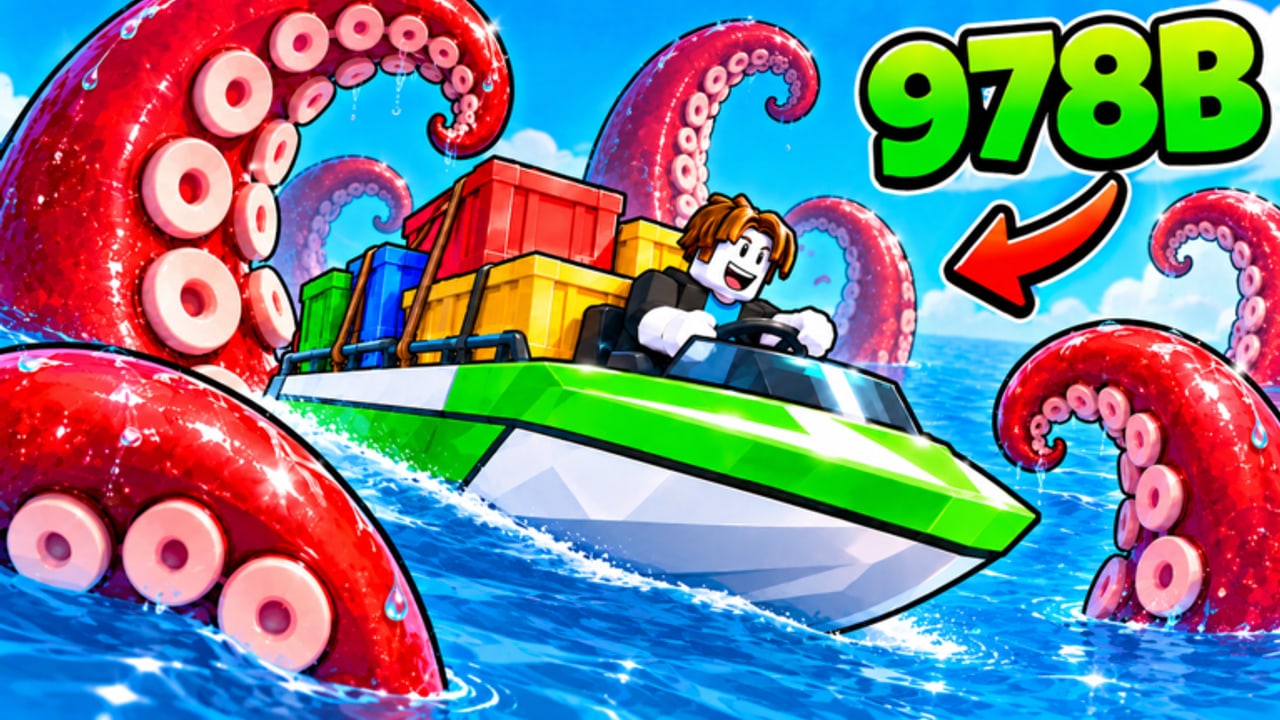
Delivering cargo is the heartbeat of Ship The Cargo. Every upgrade, boat choice, and survival decision exists to protect this loop: take a job, move freight across the ocean, and convert a safe arrival into profit. This walkthrough covers the full delivery workflow from accepting a contract to stacking the next run, with tips for busy 12-player servers.
New players should skim getting started first, then use this page as the operational manual. Pair it with how to make money when you want route economics, and survive ocean dangers when the sea fights back.
Step 1 — Accept the right cargo job
Before you touch a crate, evaluate the contract against your current boat:
- Distance versus your comfort with open water.
- Cargo volume versus remaining deck or hold space.
- Risk appetite if the route crosses rough weather or contested stretches.
- Time available in your real-life session so you are not forced to disconnect mid-haul.
Early on, prefer jobs you can finish even if something goes wrong. A smaller payout you bank beats a dramatic long job that sinks. As your vessel improves through boat upgrades, stretch into longer contracts deliberately — not randomly.
Confirm the destination before casting off. Misreading a dock name is one of the most expensive “free” mistakes in any shipping game.
Step 2 — Load carefully
Loading is not a race. A tidy deck is a safer deck.
- Approach the pickup pier slowly and square to the dock.
- Use the interact or load prompts for each cargo unit.
- Place freight so weight feels balanced and sightlines stay clear.
- Double-check that every required unit is secured before leaving.
If controls feel awkward on your device, pause and review controls. Mobile and tablet players especially benefit from a stable camera angle before grabbing crates. On Desktop and Console, a lower throttle near piers prevents bumping that can scatter cargo or damage the hull.
When playing with others, call out who is loading versus who is keeping the boat steady. Crowded docks on full servers create collisions; patience is cheaper than repairs.
Step 3 — Plan the route before you commit
Once loaded, do not point the bow at the horizon and hope. Spend ten seconds on a plan:
- Prefer coastal or shorter paths while learning.
- Note landmarks or compass headings toward the sell dock.
- Decide in advance what “abort” looks like if weather or threats spike.
- Leave mental bandwidth for traffic from other captains.
Route planning is also economy planning. Short loops train docking muscle memory and produce steady cash. Long hauls can pay more but expose cargo longer — see the risk discussion in how to make money. Always weigh payout against the chance of losing the hold.
Step 4 — Run the ocean leg
Underway, your job is boring excellence:
- Maintain a speed you can still correct from.
- Watch boat integrity and cargo status.
- Adjust for waves instead of fighting every crest at full throttle.
- Keep awareness of other players so you do not sideswipe allies.
Ship The Cargo sells a “beware danger” fantasy. Treat threats as interrupt checks, not as mandatory boss fights. If a hazard is eating the boat faster than you can respond, turn toward safety or a nearer dock. The ocean dangers guide explains survival priorities without pretending patch notes never change threat lists.
Co-op tip: on a 12-player server, a friend watching the horizon or helping with emergency docking can salvage a run that would fail solo. Agree on simple calls — “slow,” “dock left,” “abort” — so chat spam does not replace useful information.
Step 5 — Dock, unload, and sell
Arrival is where many beginners lose the profit they earned at sea.
- Cut speed early; approach the berth at a crawl.
- Align the boat so unload prompts are easy to reach.
- Unload or deliver according to the job prompts.
- Complete the sale or turn-in so currency actually posts.
- Check damage before instantly accepting another long contract.
If the pier is crowded, wait for a clear angle instead of ramming into three other hulls. Clean docking is a skill — practice it on short routes until it feels automatic.
Step 6 — Stack runs without burning out
Efficient captains chain deliveries:
- Sell → quick repair mindset → accept the next sensible job → reload → depart.
- Keep one eye on upgrade breakpoints so you do not oversave forever or overspend into fragility.
- Alternate a safer short run after a stressful long run to reset focus.
Stacking is not the same as greed. If fatigue or server chaos rises, bank the money and stop. A calm next session beats a tilted last voyage that erases progress.
When you are ready to invest earnings, compare priorities in boat upgrades and browse the boats and upgrades tier lists so purchases match your delivery style.
Solo versus co-op delivery habits
Solo strengths: full control of route choices, no dock congestion from your own crew, clearer learning feedback.
Co-op strengths: shared loading labor, extra eyes for threats, mutual rescue potential on harsh crossings.
Either mode works. What fails is mixing styles — for example, accepting a high-risk job while teammates are still learning throttle control. Match job difficulty to the least experienced captain on the boat.
Delivery quality checklist
Before you leave the wiki and queue another server, remember:
- Accept jobs your boat can finish.
- Load for balance and visibility.
- Plan a route and an abort condition.
- Protect cargo over ego fights at sea.
- Dock slow, sell completely, then upgrade with intent.
Master this workflow and Ship The Cargo stops feeling random. The ocean remains dangerous, but your process becomes reliable — and reliability is what funds every better boat on the guides hub.
Frequently Asked Questions
Quick answers to the most common questions.
What is the basic cargo delivery loop?
Accept a job your boat can handle, load and secure cargo, navigate to the destination while managing ocean risk, dock carefully, complete the sale, then repair and upgrade before the next run.
Should I take the longest route for more money?
Not at first. Longer routes can pay more but expose cargo to weather and threats for longer. Stack short successful deliveries until your boat’s speed, capacity, and durability improve.
How do I avoid docking disasters?
Cut throttle early, square up to the pier, and wait for clear space on busy servers. Practice low-speed approaches on short jobs until docking feels automatic.
Is co-op useful for deliveries?
Yes. On up to 12-player servers, teammates can help load, watch for hazards, and stabilize docking. Keep callouts short and match job difficulty to the least experienced captain.
What should I do if a run goes bad mid-ocean?
Abort toward safety when threats or damage outpace your ability to respond. Saving part of a run — or your boat — is usually better than losing an entire hold to pride.